Frequently Asked Questions (FAQs) for People with Pain
Pain Institute of Georgia has posted a Frequently Asked Questions (FAQs) guide for people experiencing pain, whether it’s chronic, acute, or related to a specific condition.
1. What is the difference between acute and chronic pain?
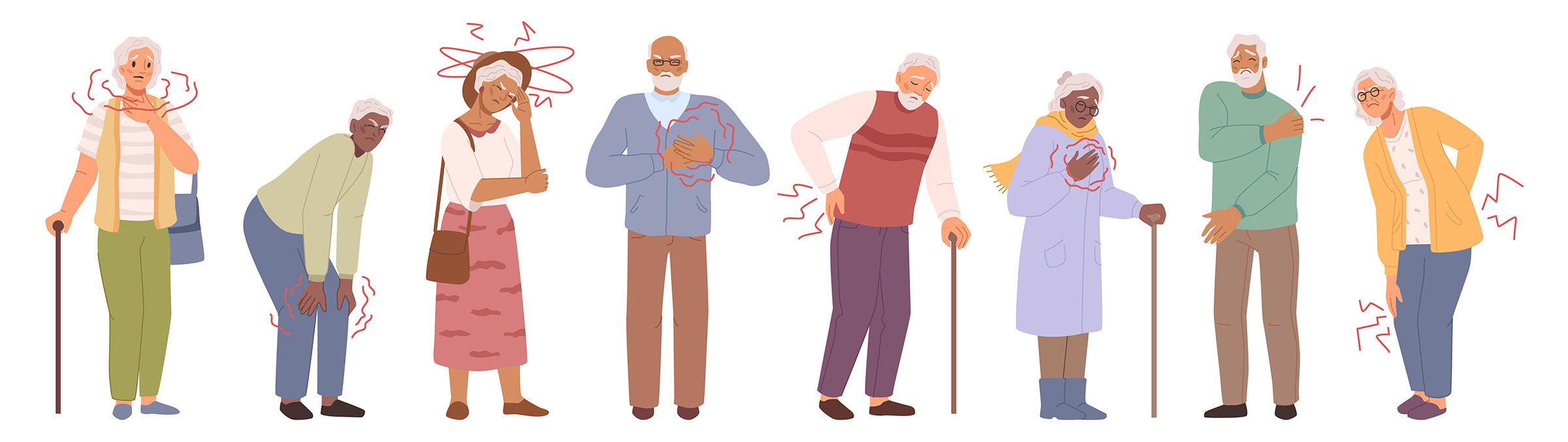
Acute pain is short-term and often due to an injury, surgery, or illness. It usually improves as the body heals.
Chronic pain lasts for more than three months and can continue even after the original injury has healed. It may be related to nerve issues or long-term conditions such as arthritis, fibromyalgia, or back problems.
2. When should I see a doctor about my pain?
You should consult a healthcare professional, like those at Pain Institute of Georgia, if:
Your pain is severe or persistent for more than a few weeks.
It interferes with daily activities or sleep.
You experience new symptoms such as numbness, weakness, unexplained weight loss, fever, or changes in bladder/bowel control.
Our doctors, Carlos Giron, M.D., Preston DeLaPerriere, M.D., and Jylian M. Earls, M.D. provide the highest-quality sports, orthopedic, and regenerative medicine. We utilize cutting-edge technology in pain medicine and have expertise across diverse pain conditions and treatment modalities.
3. How can I manage pain at home?
Some helpful self-care strategies include:
Rest and gentle movement: Alternate rest with gentle stretching or low-impact exercise.
Heat or cold therapy: Ice helps reduce inflammation; heat relaxes muscles.
Relaxation techniques: Deep breathing, mindfulness, or meditation can calm your nervous system.
Healthy lifestyle: Balanced diet, hydration, adequate sleep, and regular movement can all reduce pain sensitivity.
4. What treatments are available for pain?
Treatment depends on the source and type of pain. Options include:
Medications: Over‑the‑counter or prescription pain relievers, anti‑inflammatories, or nerve medications.
Physical therapy: Strength, flexibility, and posture improvement.
Injections or procedures: For nerve pain, joint pain, or inflammation.
Complementary therapies: Acupuncture, massage, chiropractic care, or osteopathy.
Cognitive-behavioral therapy (CBT): Helps manage emotional and mental aspects of chronic pain.
5. Can stress make pain worse?
Yes. Emotional stress can increase muscle tension and amplify pain perception. Techniques such as relaxation exercises, mindfulness, and supportive counseling can help reduce pain intensity.
6. Is pain all in my head?
No. All pain is real, even if doctors cannot find a clear cause on scans or tests. Pain is a complex interaction between your body and brain. Understanding this helps develop a more holistic and effective treatment plan.
7. How can I talk to my doctor about pain?
Keep a pain diary noting when pain occurs, what triggers or eases it, and how it affects your daily life.
Be honest about how pain interferes with your activities or mood.
Ask about treatment goals — for example, being able to walk farther or sleep better, not just “eliminate pain.”
8. Will I need to take pain medication forever?
Not always. Some people use medication short term while others need ongoing treatment. The goal is to use the lowest effective dose and include non-drug therapies whenever possible.
9. What lifestyle changes can help reduce pain?
Maintain a healthy weight.
Engage in regular, moderate physical activity.
Prioritize sleep and rest.
Stay connected with friends or support groups—social isolation can worsen pain.
10. Where can I find support?
Pain support groups (in-person or online).
Counseling or therapy for emotional challenges.
Educational resources such as reputable health websites, pain clinics, or patient associations.